Ice Hockey Player Svg: Elevating DIY Craftsmanship and Small Business Design
The intersection of sports fandom and digital crafting has created a robust niche within the maker economy, where Ice Hockey Player Svg files serve as the foundational bridge between digital imagination and physical reality. For professionals in the creative sector, small business owners, and dedicated hobbyists, these vector graphics are not merely decorative assets; they are versatile tools that enable rapid prototyping, personalized branding, and high-quality production across a variety of media. As the demand for customized goods continues to rise, understanding the technical and practical applications of SVG (Scalable Vector Graphics) files becomes essential for anyone looking to produce consistent, scalable, and professional-looking results.
The Technical Advantage of Vector-Based Design
At the core of modern cutting software workflows is the distinction between raster and vector images. While standard image formats like JPEG or PNG rely on pixels, which can become pixelated when enlarged, an Ice Hockey Player Svg file utilizes mathematical equations to define lines and shapes. This ensures that whether you are designing a tiny sticker for a water bottle or a large banner for a sports bar, the edges remain crisp and clean. This scalability is particularly critical for commercial products, where consistency in quality directly impacts customer satisfaction and brand reputation.
For users of platforms such as Cricut Design Space and Silhouette Studio, the SVG format is native and preferred. These programs interpret the vector data to guide cutting blades with precision. When working with materials ranging from vinyl and cardstock to wood and fabric, the ability to send exact path data to the machine reduces material waste and minimizes errors. The inclusion of multiple file formats in a comprehensive digital package—such as AI, EPS, and PNG—provides flexibility for different stages of the design process. For instance, the AI or EPS files allow graphic designers to edit node points and colors within Adobe Illustrator before finalizing the cut, while the PNG serves as a reliable backup for projects that do not support direct SVG imports.
Expanding Creative Possibilities Across Product Lines
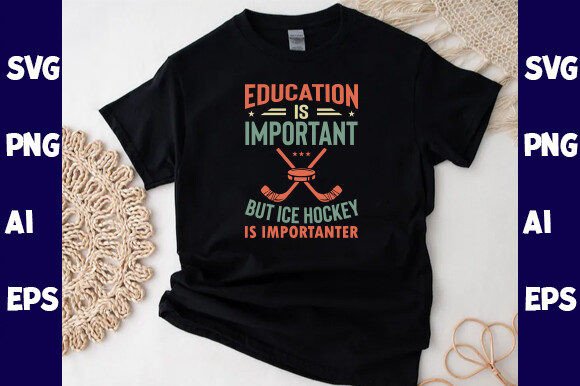
The versatility of the Ice Hockey Player Svg extends far beyond simple decals. Creators are leveraging these designs to build diverse product lines that cater to the passionate hockey community. T-shirts remain a staple, but the application has evolved to include premium apparel options such as heavyweight cotton tees, performance fabrics, and even sublimation-ready blanks for full-color prints. Beyond clothing, the design finds a natural home on hard surfaces, transforming everyday items into statement pieces.
Consider the market for personalized gifts. A well-executed hockey player silhouette on a wooden sign can become a cherished keepsake for a family room or a man cave. Similarly, tumblers and mugs have become ubiquitous canvases for custom art. Using the SVG file to create precise vinyl wraps allows artisans to add intricate details, such as jersey numbers or team colors, that stand out against the curved surface of insulated drinkware. The same design can be adapted for tote bags and aprons, appealing to parents who attend games or fans who enjoy hosting watch parties. By offering a range of products based on a single strong graphic concept, creators can maximize their return on investment for each design asset.
Streamlining Workflow for Digital Entrepreneurs
For freelancers and entrepreneurs operating in the handmade space, efficiency is key. Receiving a zip folder containing the Ice Hockey Player Svg, along with complementary formats, streamlines the operational workflow significantly. Instead of spending hours tracing or recreating complex player silhouettes from scratch, designers can focus on value-added services such as layout composition, typography pairing, and color grading. This shift allows creators to scale their businesses by taking on larger orders without compromising on time or quality.
Furthermore, having access to the source files in AI and EPS formats empowers designers to customize the artwork for specific client requests. A customer might want a generic hockey player design modified to include a specific name or number. With editable vector files, this customization is straightforward, allowing for a higher level of personalization that drives sales. In contrast, relying solely on non-editable raster images would limit the scope of customization and potentially lead to lower resolution outputs upon scaling. This adaptability is crucial in meeting the evolving expectations of consumers who seek unique, tailor-made products rather than mass-produced generic items.
Integrating Sports Culture into Home Decor and Events
Beyond commerce, the Ice Hockey Player Svg reflects a broader cultural trend where sports memorabilia is being integrated into interior design and event planning. Hockey, with its rich history and intense local rivalries, provides a strong emotional connection for fans. Designs featuring players or iconic imagery are used to create immersive environments for game day parties, birthdays, and team celebrations. Party decor items such as banners, cupcake toppers, and invitation cards benefit greatly from the clean lines and sharp details that SVG files provide.
Educators and coaches also find utility in these digital assets. They can create motivational posters, award certificates, and team spirit materials using the same software tools as commercial designers. The accessibility of these files democratizes design, allowing individuals with limited artistic training but access to cutting machines to produce professional-grade materials. This accessibility fosters a community of makers who share ideas, techniques, and resources, further enriching the ecosystem around sports-themed crafts.
Best Practices for Implementation and Quality Control
To fully leverage the potential of the Ice Hockey Player Svg, users should adhere to best practices in file management and material selection. Always preview the design in your cutting software before sending it to the machine. Check for any overlapping paths or unnecessary nodes that could cause cutting errors. When working with multi-layered designs, ensure that registration marks are aligned correctly if layering different colors of vinyl or materials.
Material choice plays a significant role in the final appearance. Vinyl works well for flat surfaces and temporary decorations, while heat transfer vinyl (HTV) is ideal for textiles. For permanent installations on wood or metal, adhesive vinyl offers durability and weather resistance. Understanding the properties of these materials helps in selecting the right medium for the intended use case. Additionally, keeping the original SVG file organized in a structured library allows for easy retrieval and reuse in future projects, ensuring a sustainable and efficient creative practice.
Conclusion
The availability of high-quality digital assets like the Ice Hockey Player Svg represents a significant opportunity for creators, businesses, and hobbyists alike. By combining the technical precision of vector graphics with the emotional resonance of sports culture, users can produce meaningful and commercially viable products. Whether enhancing a small business inventory, creating personalized gifts, or simply engaging in a fulfilling creative hobby, the ability to seamlessly integrate these designs into various workflows underscores the value of digital craftsmanship. As technology continues to evolve, staying informed about best practices and maintaining a focus on quality will ensure that these digital tools continue to deliver tangible results in both personal and professional endeavors.